Independence is one of the most talked-about goals in early childhood education. Many daycares advertise that they help toddlers become independent. You might hear phrases like “we encourage independence” or “we teach self-help skills.”
However, in actual practice, independence is often misunderstood, rushed, or unintentionally blocked.
Toddlers are far more capable than we give them credit for. The challenge is not that independence is too much for them. The challenge is that many environments are not designed to support it.
Independence Is Not the Same as Doing Things Alone
One of the biggest misconceptions is that independence means leaving toddlers to figure things out by themselves.
True independence is built through guided participation. In our Mount Clemens toddler classrooms, an adult is present, calm, and attentive. The adult moves slowly, models the task, offers language, and allows time. The child is invited to participate, not forced to perform.
When independence is rushed or expected without support, toddlers experience frustration instead of confidence.
Toddlers Need Time, Not Speed
In many daycare settings, efficiency drives the schedule. Diapering must be fast. Meals must be finished quickly. Transitions need to happen on time.
Toddlers, however, learn independence through repetition and slowness.
Putting on shoes. Washing hands. Carrying a cup. Wiping a spill. These moments take time. When adults consistently step in to do things for toddlers rather than with them, children miss critical opportunities to practice real skills.
Independence cannot grow in a rushed environment.
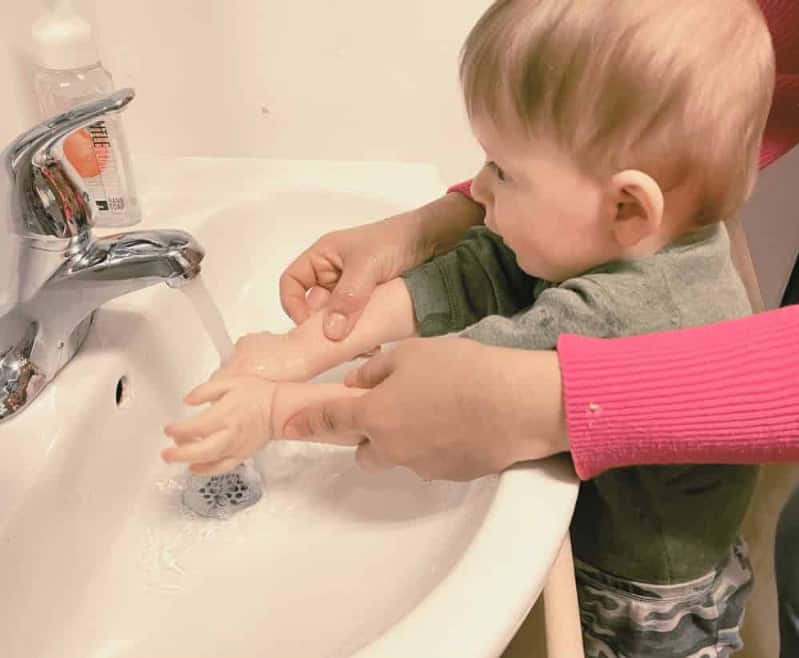
Independence starts early! We take the time to teach toddlers skills like hand washing step-by-step, building their confidence and self-care abilities.
Helping Too Much Can Create Dependence
Most caregivers step in because they are kind, caring, and trying to help. Unfortunately, constant adult intervention often communicates an unintended message:
- “Let me do that for you.”
- “This is faster if I take over.”
Over time, toddlers learn to wait for help rather than attempt tasks themselves. This can show up as clinginess, frustration, or refusal to try.
Montessori philosophy recognizes that independence grows when adults trust the child’s ability and allow space for effort.
Independence Begins Before Language
Another common misconception is that toddlers must be able to speak clearly before they can be independent. Believe it or not, independence begins through the body.
Toddlers show readiness by:
- Reaching for objects
- Wanting to participate in dressing
- Carrying items across the room
- Mimicking adult actions
- Repeating the same task
When adults wait for verbal requests instead of observing these cues, independence is delayed. Children communicate readiness through action long before words.
Toddlers Need Environments Designed for Them
Independence cannot exist in an adult-centered space. In many Macomb County daycare environments, you often see:
- Babies put into movement-restricting “containers”, such as swings, high chairs, and bouncers.
- Materials stored out of reach.
- Toddlers waiting for permission to access items.
- Movement restricted for safety or convenience.
In these settings, toddlers rely on adults for everything.
Montessori toddler environments are intentionally designed so children can move, choose, and act independently. Low shelves, child-sized furniture, accessible materials, and open floor space allow toddlers to practice autonomy safely. The environment does the work so the child can grow.
Independence Does Not Mean Fewer Emotions
Toddlers who are supported in independence tend to:
- Show greater confidence
- Experience fewer power struggles
- Regulate emotions more effectively
- Engage more deeply in activities
When toddlers are allowed to do meaningful work, they feel capable and respected. Emotional outbursts often increase when children are prevented from participating in their own care and daily routines.
What Toddler Independence Actually Looks Like
Independence in toddlers looks like:
- Trying to put on shoes even when it takes time.
- Carrying their own snack and cleaning up spills.
- Choosing work from a shelf and returning it.
- Participating in diapering and hand washing.
- Repeating the same task until mastery is achieved.
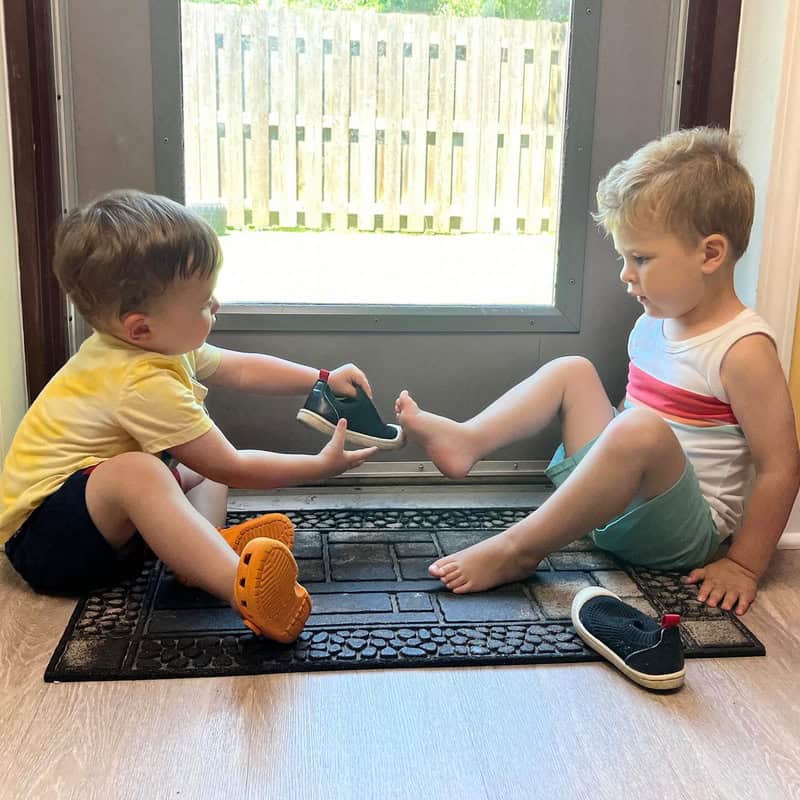
Empathy in action: In our Montessori program, children naturally learn to help one another. This “grace and courtesy” builds a strong sense of community and independence.
Why This Matters Long Term
Toddlers who are supported in independence grow into children who trust themselves. They approach challenges with curiosity rather than fear. They are more willing to try, fail, and try again.
See Our Toddler Program in Action
If you are looking for a program that honors your child’s capability, we invite you to tour Montessori Stepping Stones in Mount Clemens.