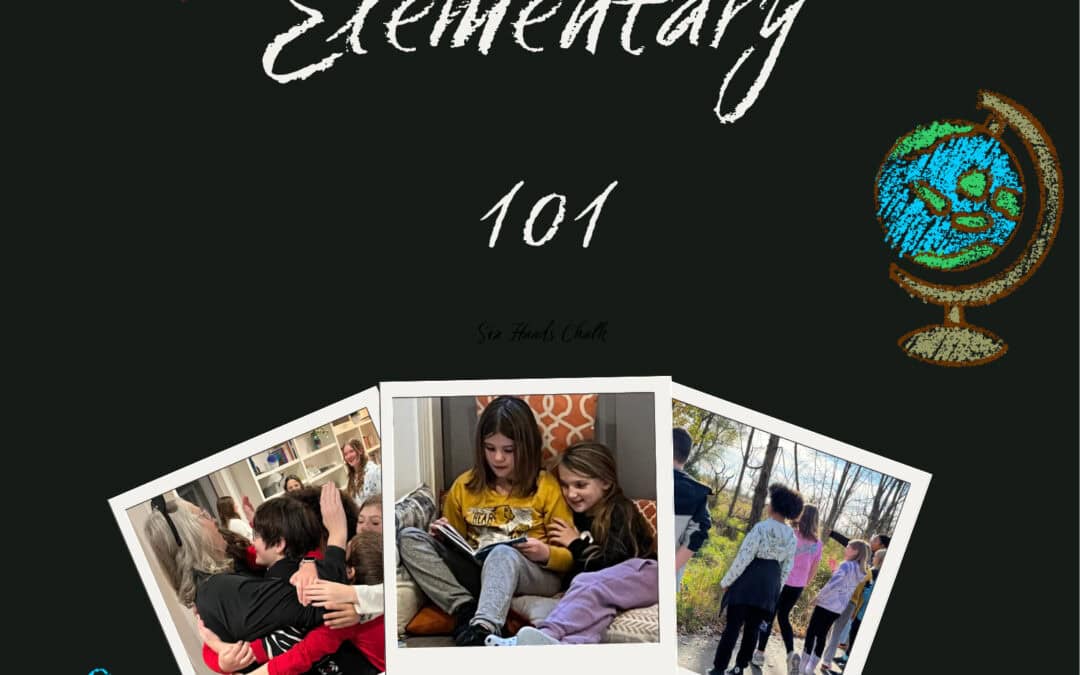
Spoiler alert: It’s not the wooden shelves and the neutral color scheme
Montessori has become a buzzword in the education world. You see it everywhere. Pinterest boards filled with natural wood toys. Instagram classrooms with open shelving and baskets. Schools advertising Montessori inspired, part time Montessori, little “m”, or a blend of Montessori and traditional teaching. It is beautiful. It is trendy. It is misleading.
(Click here for our post on the 5 key differences between a Montessori education and a traditional education)
The Truth About Montessori Philosophy
Here is the truth –
Montessori is not something you sprinkle into a classroom. It is not a theme, a décor style, or a teaching trend. You cannot be part-time Montessori. You cannot be inspired by Montessori while still teaching in traditional ways. Authentic Montessori is a full philosophy that supports the academic, social, and emotional development of the whole child.
Child-sized furniture does not make Montessori. Philosophy does.
This post is the introduction to a four-part series on what real Montessori looks like at every age level. Today we explore the foundation: what defines true Montessori practice, and why it matters for children.
So then what makes a school authentically “Montessori”.
7 Elements of an Authentic Montessori School
1. A Prepared Environment That Builds Independence
Montessori classrooms are intentionally designed for children to move freely and work without constant adult intervention. Materials are displayed neatly on accessible shelves and arranged from simple to complex. The environment allows the child to choose work, repeat it, and return it independently. Independence is not demanded. It is supported by thoughtful design.
2. Trained Montessori Guides
In an authentic Montessori setting, adults do not stand at the front lecturing. They observe, offer lessons individually or in small groups, and introduce materials when a child shows readiness. They know the progression of materials, how to follow the child, and how to step back so discovery and concentration can develop naturally.
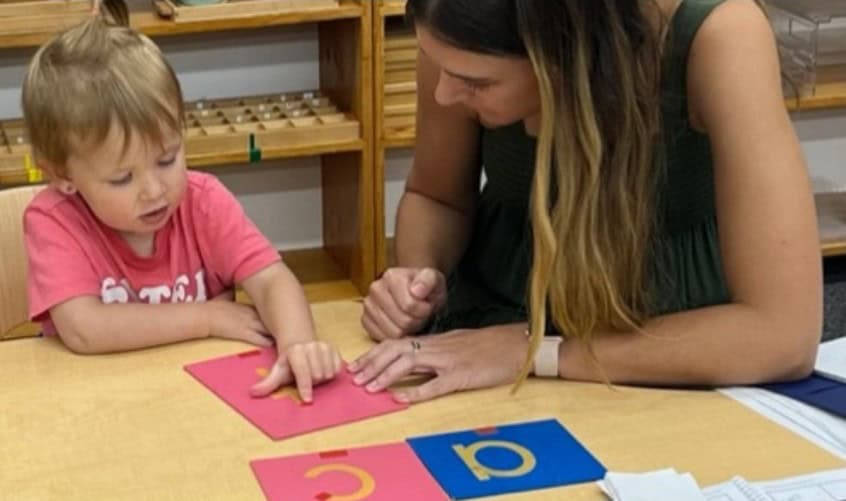
Encouraging early literacy through hands-on activities in a Montessori environment at Mount Clemens, MI.
3. Multi-Age Classrooms
Montessori communities intentionally mix ages. Infant toddler rooms have 6 weeks to 14 months and 14 months through 3 years. Primary is typically three through six. Elementary spans six through twelve. Middle school supports adolescents. Younger children learn from older peers. Older children gain leadership, empathy, and mastery by helping others. Community becomes a living curriculum.
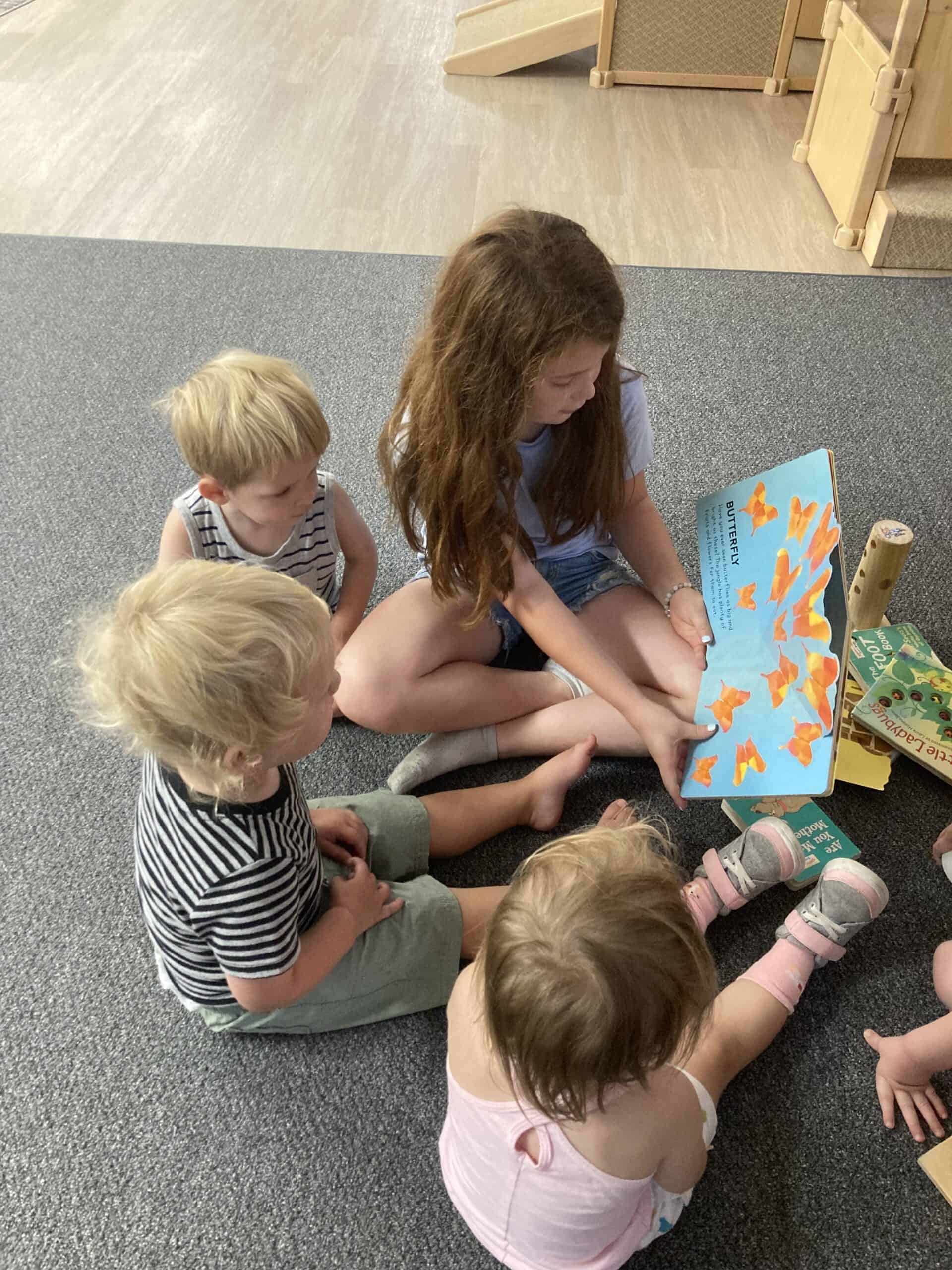
Children engaged in a Montessori-style learning activity, fostering early literacy and love for nature in a nurturing environment.
4. Respect for Sensitive Periods and Developmental Stages
Dr. Montessori observed that children move through predictable windows of development. Young children absorb language, order, movement, and sensorial impressions. Elementary students become imaginative thinkers who ask big questions and crave research. Adolescents seek purpose, belonging, and meaningful contribution. Authentic Montessori schools honor these stages with lessons and work that meet the child.
5. Hands On Materials That Lead to Abstraction
Montessori materials are not toys or crafts. They isolate single concepts so children can explore through repetition. A child may use golden beads to build numbers, then move to stamp game, then finally to abstract paper math. The hand teaches the brain. Concrete understanding becomes the foundation for academic confidence.
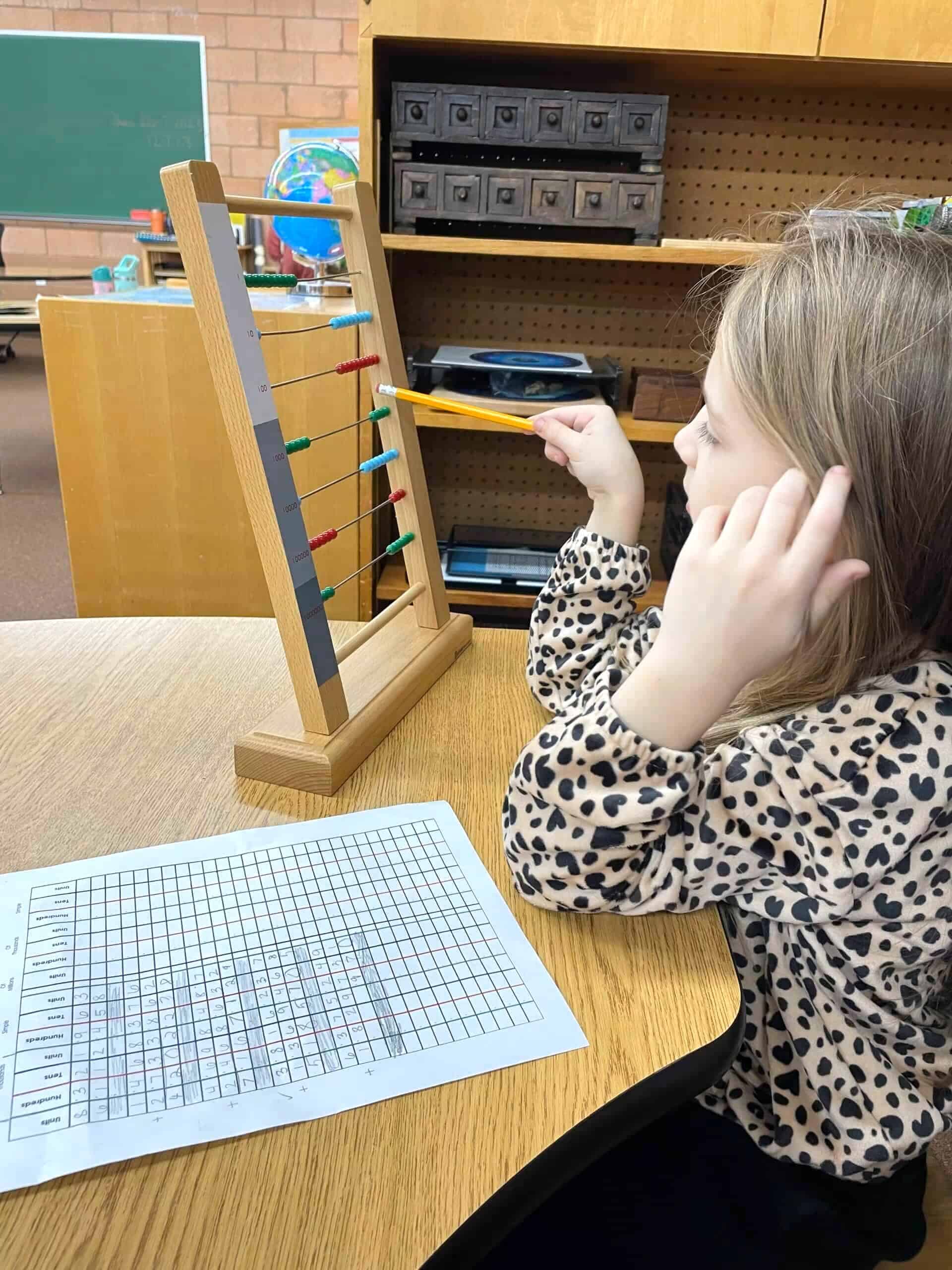
Elementary student using the Montessori Large Bead Frame to solve a math problem on graph paper.
6. Freedom Within Limits and Grace and Courtesy
Authentic Montessori schools offer children real freedom to choose work, move around the room, and follow interests. Freedom is paired with responsibility. The child chooses work with purpose, uses it respectfully, and completes the cycle by returning it ready for the next person. Social learning happens through gentle guidance, conflict resolution, and modeled grace and courtesy.
Montessori children are not controlled with rewards and punishments. They develop internal discipline, empathy, and self awareness through practice.
7. A Spiraling Curriculum That Builds Over Time
Montessori is not isolated lessons. It is a connected web of learning. Early sensorial work becomes a foundation for geometry. Pouring and spooning develop hand control for writing. The phonetic moveable alphabet leads naturally into reading, creative writing, and later research and essays. Geography maps become history stories. Peace education becomes community responsibility.
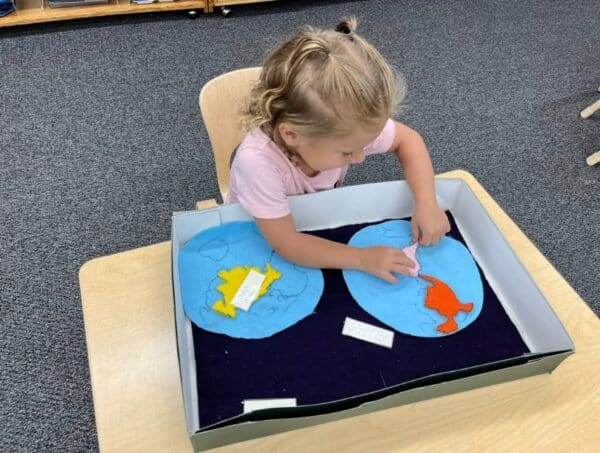
At Montessori Stepping Stones, we introduce concepts like geography early on through hands-on materials. Here, a student explores the continents using a felt puzzle map, building concentration and worldview simultaneously.
Authentic Montessori education is a long arc, not a moment.
Why Montessori Cannot Be Partial or Occasional
Schools that are inspired by Montessori often borrow materials or the look but continue using traditional teaching methods. Worksheets replace exploration. Children move as a class instead of individually. Curriculum follows a fixed calendar instead of child readiness. The environment may resemble Montessori, but the experience does not follow the philosophy.
What Comes Next in This Series
Over the next four articles we will explore what authentic Montessori looks like in each age group.
- Infant Toddler Montessori
Freedom of movement, attachment, practical life foundations, language rich interaction. - Primary Montessori (ages 3-6)
Sensitive periods, sensorial learning, math and literacy foundations, concentration and independence. - Elementary Montessori (ages 6-12)
Cosmic education, research, collaboration, imagination, abstraction, big thinking. - Middle School Montessori
Purpose driven learning, community work, identity formation, real life responsibility and leadership.
See Authentic Montessori in Action
If you are looking for exceptional childcare that goes beyond simple supervision, we invite you to tour Montessori Stepping Stones. Whether you need a nurturing environment for your infants and toddlers or an engaging pre-k program that builds real independence, the best way to understand the Montessori difference is to observe it yourself.